
Low-Impact Activities That Still Build Meaningful Fitness
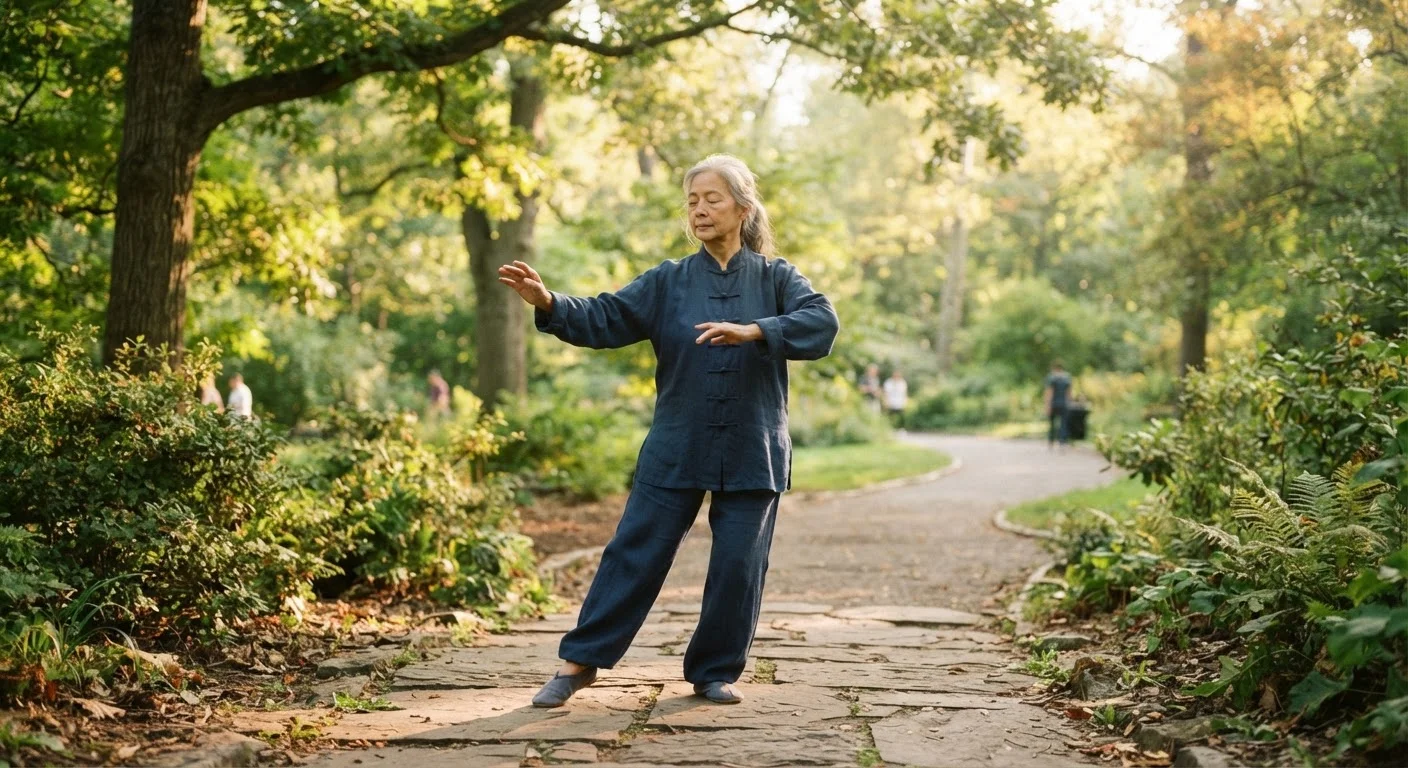
Photo credit: ProximityFinds.com | One-stop Reading Source
Low-impact doesn't mean low-benefit. These activities are gentle on the joints while still improving cardiovascular health, strength, and mobility.
Key Takeaways
- Low-impact exercise protects joints while still delivering meaningful cardiovascular and strength benefits.
- Activities like swimming, cycling, and yoga are accessible to a wide range of ages and fitness levels.
- Consistency with low-impact movement builds lasting fitness more reliably than sporadic intense effort.
- Many low-impact options double as effective recovery tools between more demanding sessions.
- Always consult a healthcare professional before starting a new exercise routine, especially with existing conditions.
Why Low-Impact Doesn't Mean Low-Effort
There's a persistent misconception that exercise only counts if it leaves you gasping or pounding the pavement. In reality, low-impact activity - movement that minimizes stress on the joints by reducing jarring forces - can meaningfully improve cardiovascular health, muscular endurance, flexibility, and even bone density when performed consistently.
Low-impact options are particularly valuable for people returning to fitness after time away, older adults managing joint concerns, and anyone building a sustainable routine from scratch. As explored in our guide on building a weekly movement routine, the goal isn't heroic effort - it's reliable, repeatable movement that fits real life.
Below are seven well-supported low-impact activities that can serve as cornerstones of a meaningful fitness practice.
Swimming
Water buoyancy reduces the load on joints by a significant margin, making swimming one of the most joint-friendly full-body workouts available. Laps engage the cardiovascular system, challenge the muscles of the back, shoulders, core, and legs, and can be adjusted in intensity simply by changing stroke or pace.
Research consistently supports swimming as effective for improving aerobic capacity and muscular endurance in adults of all ages. It's especially well-regarded for people managing arthritis or recovering from lower-body injuries, though anyone with specific conditions should discuss suitability with their doctor.
Water buoyancy cuts joint stress dramatically while still delivering a full-body cardiovascular and strength workout.
Cycling (Stationary or Outdoor)
Cycling keeps the feet moving in a smooth, circular motion that avoids the impact spike of running. Both stationary and outdoor cycling strengthen the quadriceps, hamstrings, glutes, and calves while elevating heart rate into aerobic training zones.
Stationary cycling offers additional control over intensity and removes road hazards - a useful consideration for beginners or those returning to exercise after a long break. Outdoor cycling adds balance challenges and variety that can improve motivation over time.
Cycling's circular motion eliminates the impact spike of running while still building leg strength and cardiovascular fitness.
Walking
Walking is the most accessible form of low-impact exercise and remains genuinely effective for cardiovascular health, mood regulation, weight management support, and functional mobility. Research published by major public health bodies consistently places regular brisk walking among the most beneficial habits adults can adopt.
That said, walking has defined limits. Our detailed breakdown of walking as exercise clarifies what it reliably delivers and where supplementary activity may be needed for more specific fitness goals.
Regular brisk walking is consistently ranked among the most beneficial fitness habits adults can build.
Yoga
Yoga develops flexibility, balance, and functional strength - particularly in the core, hips, and spine - through controlled, body-weight movement. Many styles, including Hatha and Restorative yoga, are explicitly gentle and appropriate for beginners or those with mobility limitations.
Beyond the physical, yoga has a well-documented relationship with stress reduction and improved sleep quality, both of which support overall health. Consistency matters more than advanced poses; even short daily sessions provide measurable benefit over time.
Even short, consistent yoga sessions measurably improve flexibility, balance, and stress markers over time.
Tai Chi
Tai chi is a centuries-old Chinese movement practice involving slow, deliberate sequences of postures that flow from one to the next. While it may appear purely meditative, research - including multiple systematic reviews - supports its effectiveness for improving balance, reducing fall risk in older adults, and enhancing lower-body strength.
Its slow pace and emphasis on controlled breathing make it particularly accessible to older adults or those new to structured movement. Community classes and online instruction are widely available at no cost.
Tai chi has strong research support for improving balance and reducing fall risk, particularly among older adults.
Resistance Training With Light Weights or Bands
Strength training doesn't require heavy barbells or high impact. Using light dumbbells, resistance bands, or body weight, individuals can target major muscle groups, support bone density, and improve metabolic health - all without significant joint stress when proper form is maintained.
Progressive resistance training is associated with reduced risk of sarcopenia (age-related muscle loss), improved insulin sensitivity, and better functional capacity in daily life. Starting light and focusing on controlled movement is the correct approach, particularly for beginners.
Light resistance training supports bone density and fights age-related muscle loss with minimal joint stress.
Elliptical Training
The elliptical trainer simulates the motion of running or stair-climbing while keeping both feet in contact with the pedals at all times, virtually eliminating impact forces. Studies comparing treadmill running and elliptical exercise at matched effort levels show similar cardiovascular responses, making it an effective aerobic substitute for those who find running uncomfortable.
Most machines also include arm handles that engage the upper body, adding a muscular challenge without increasing joint load. Varying resistance and incline settings allows for progressive overload over time.
Elliptical training delivers running-comparable cardiovascular benefit while eliminating nearly all ground-impact forces.
Making Low-Impact Movement Work Long-Term
The greatest advantage of low-impact exercise is its sustainability. Because these activities carry lower injury risk and feel manageable even on off days, people tend to stick with them. That consistency, as highlighted in our piece on consistency over intensity, is precisely what drives long-term fitness gains.
Pair Low-Impact Days With Recovery Awareness
Low-impact doesn't mean zero exertion - you can still overdo volume or frequency. Listen to how your body responds after each session and allow adequate time for adaptation. Incorporating at least one true rest day per week remains important even with gentle activity. Tracking how you feel across a few weeks can reveal patterns that help you adjust intensity and duration wisely.
Low-impact activities also serve as valuable recovery tools. Light cycling, gentle yoga, or an easy swim on rest days can support circulation and reduce muscle stiffness without adding strain. See how to balance effort and rest in our overview of resting versus active recovery.
If you're older or managing age-related changes in how your body responds to exercise, fitness after 50 offers guidance tailored to those shifts. Whatever your starting point, the activities below are a practical, evidence-grounded place to begin.
This article is for general informational purposes only and does not constitute medical advice. Consult a qualified healthcare professional before beginning any new exercise program, particularly if you have existing health conditions, injuries, or concerns.

Author
Health Editorial Team
Health Editorial Team is the collective byline for our editorial team and contributor network. Articles published under this byline or an editorial pen name are researched, written, and reviewed according to our editorial standards for clarity, consistency, and independence before publication.
View all articles →