
Emergency Funds Explained: What They Are and Why Financial Experts Recommend Them
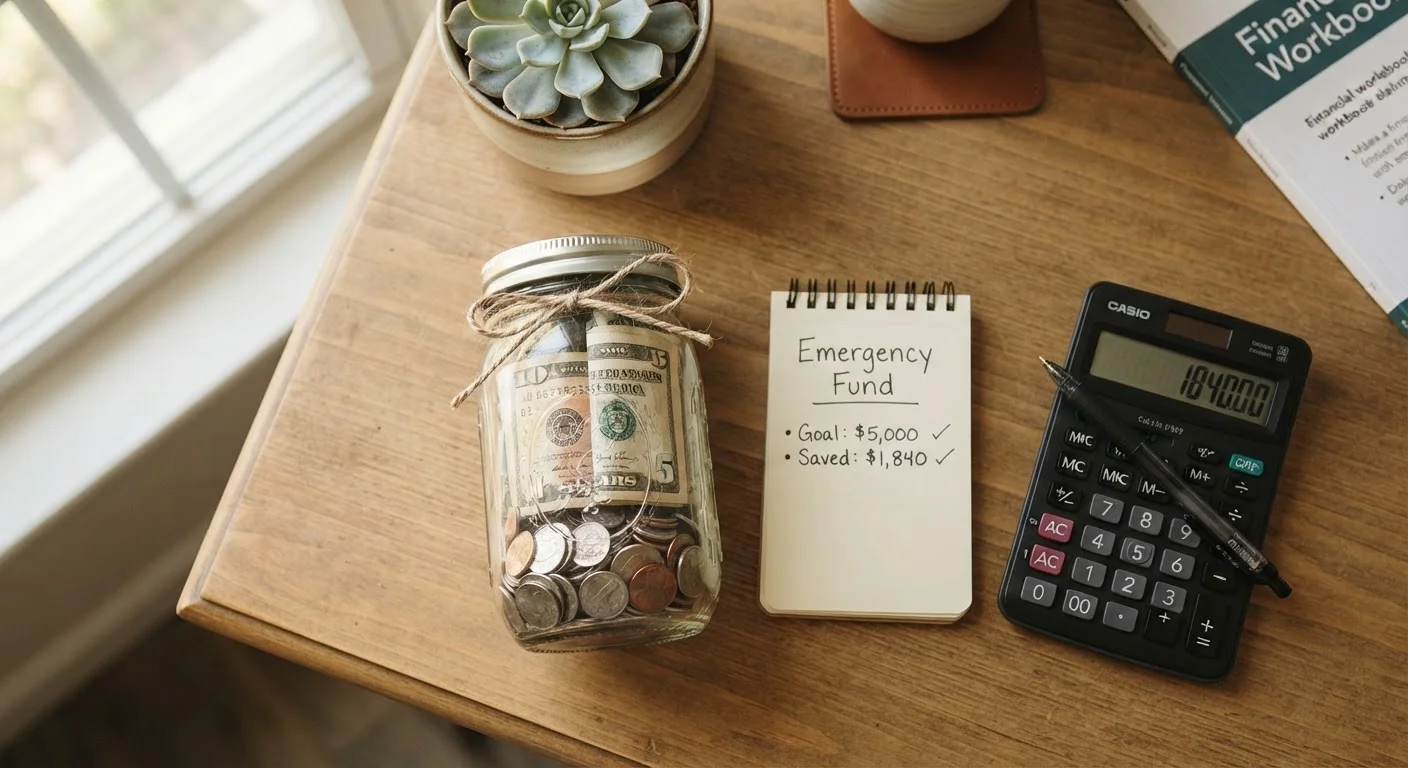
Photo credit: ProximityFinds.com | One-stop Reading Source
In this article
Learn what an emergency fund is, how much you typically need, and why it's considered a cornerstone of personal financial stability.
Key Takeaways
- An emergency fund covers unexpected costs without forcing you into high-interest debt.
- Most financial guidance recommends saving three to six months of essential living expenses.
- The fund should be kept separate from everyday accounts and be easily accessible.
- Building even a small starter fund meaningfully reduces financial stress and vulnerability.
- An emergency fund is generally considered a prerequisite before investing in markets.
What an Emergency Fund Actually Is
An emergency fund is money you set aside specifically for life's unplanned financial shocks - not for routine expenses, not for vacations, and not for investment opportunities. It exists as a financial circuit breaker: when an unexpected expense hits, you draw from your fund instead of reaching for a credit card or personal loan.
The core idea is straightforward. Life is unpredictable. A transmission fails, a medical bill arrives, or an employer announces layoffs. Without a cash reserve, these events force people into reactive borrowing, often at high interest rates that compound the original problem. With a fund in place, the same events become manageable setbacks rather than financial crises.
Emergency funds differ from general savings goals like a down payment or a vacation fund. Those savings have defined targets and timelines. An emergency fund is ongoing, replenished after each use, and treated as a permanent fixture of your finances - not a temporary project.
Emergency Fund vs. Other Savings
It's important to keep your emergency fund separate from savings accounts earmarked for goals like a vacation, home down payment, or holiday spending. Mixing these together makes it too easy to rationalize dipping into emergency money for non-emergencies. A dedicated account - clearly labeled and mentally reserved - reinforces its true purpose.
How Much Is Enough?
The most widely cited benchmark is three to six months of essential living expenses. Essential expenses include rent or mortgage, utilities, groceries, transportation, minimum debt payments, and any non-negotiable costs. Discretionary spending - dining out, subscriptions, entertainment - is typically excluded from the calculation.
Where you land within that range depends on your personal circumstances. A dual-income household with stable employment may be comfortable at the lower end. A self-employed individual, someone in a seasonal industry, or a single-income family generally benefits from targeting six months or more. The goal is not a magic number but rather enough runway to stabilize your situation and explore options without panic-driven decisions.
37%
Americans unable to cover a $400 emergency in cash
According to the Federal Reserve's Report on the Economic Well-Being of U.S. Households, a notable share of adults would struggle to pay an unexpected $400 expense without borrowing or selling an asset.
3-6 months
Recommended emergency fund coverage period
This range is the most widely cited benchmark across financial planning frameworks, adjusted upward for variable-income households or single-earner families.
56%
Americans with less than three months of emergency savings
Bankrate's annual emergency savings report has consistently found that the majority of U.S. adults fall short of the three-month savings benchmark.
If three to six months feels out of reach right now, financial educators commonly recommend a "starter" goal - often cited as $500 to $1,000 - to create an immediate buffer. This initial amount is enough to handle many common smaller emergencies and prevents the cycle of putting unexpected costs on credit.
Why Financial Experts Consistently Recommend It
The emergency fund is not a new concept, but its importance is consistently reinforced by financial research and consumer data. Surveys conducted by the Federal Reserve and other institutions have repeatedly found that a significant share of American households would struggle to cover an unexpected $400 expense without borrowing or selling something. That vulnerability is precisely what an emergency fund addresses.
“The emergency fund is the single most important financial tool most people aren't fully using. It doesn't generate returns, but it prevents the kind of financial setbacks that set people back years.”
— Financial Planning Educator, Certified Financial Planner and personal finance educator
Beyond protecting against debt, an emergency fund preserves your ability to make rational decisions. Financial stress impairs judgment. Research in behavioral economics suggests that financial scarcity creates a cognitive burden that can make it harder to plan ahead, weigh long-term consequences, or avoid short-term mistakes. A cash cushion reduces that pressure.
The fund also acts as a prerequisite for other financial goals. Most financial frameworks - including the checklist covered in our financial readiness guide - treat emergency savings as a foundational step before moving into market investing. Without that foundation, market volatility or a job loss could force you to liquidate investments at the worst possible time.
Building Your Fund While Managing Debt
One of the most common questions around emergency funds involves debt: should you pay down what you owe first, or build your savings? The honest answer is that it depends on the type and cost of your debt - but for most people, doing both in some proportion makes sense.
High-interest debt, particularly revolving credit card balances, erodes financial health quickly. Yet having no emergency savings at all means that any unexpected expense will likely generate new debt. A practical middle path, often described in broader saving and debt management frameworks, is to build a small starter fund first, then direct additional cash flow toward high-interest debt, and later return to build your emergency fund to its full target once the most costly debt is eliminated.
Automation helps significantly. Setting up an automatic transfer to a separate savings account on payday removes the temptation to spend first and save later. Even modest, consistent contributions add up - and the habit itself has long-term value. For a detailed walkthrough of starting from scratch, see our guide on building your first emergency fund from zero.
Automate Your Emergency Savings
Set up a recurring automatic transfer from your checking account to a dedicated savings account on or just after each payday. Even $30 or $50 per transfer builds momentum and removes the decision-making friction that often derails savings goals. Treat it like a non-negotiable bill you pay yourself first.
This article is for general informational and educational purposes only and does not constitute personalized financial advice. Consult a qualified financial professional regarding decisions specific to your situation.
Frequently Asked Questions

Author
Finance Editorial Team
Finance Editorial Team is the collective byline for our editorial team and contributor network. Articles published under this byline or an editorial pen name are researched, written, and reviewed according to our editorial standards for clarity, consistency, and independence before publication.
View all articles →