
Compound Interest: The Math Behind Long-Term Wealth
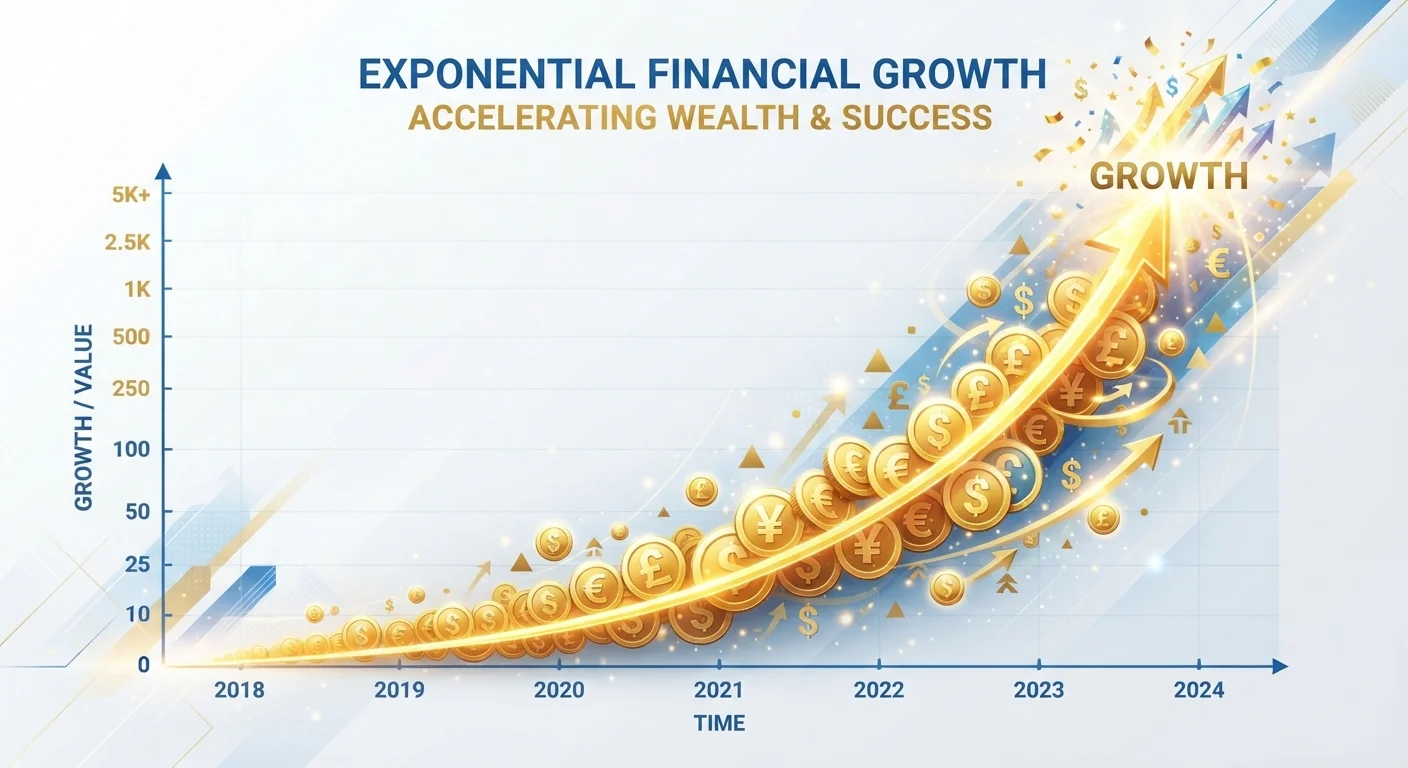
Photo credit: ProximityFinds.com | One-stop Reading Source
In this article
Compound interest is often called the eighth wonder of the world — but what is it, really? This explainer shows how it works over time.
Key Takeaways
- Compound interest grows your money faster than simple interest because earnings are reinvested automatically.
- Starting earlier - even with a smaller amount - often outperforms starting later with a larger amount.
- Compounding frequency matters: daily or monthly compounding yields more than annual compounding at the same rate.
- Compound interest works against you when carrying debt, especially on credit cards.
- Time is the most powerful variable in the compound interest equation.
Simple vs. Compound Interest: A Critical Distinction
Most of us learned about interest in school as a straightforward calculation: borrow $1,000 at 5% per year, pay $50 in interest annually. That's simple interest - it only applies to the original principal, never to previously earned interest.
Compound interest works differently. Each time interest is calculated, it's added to the balance - and the next calculation is based on that larger number. The result is growth that accelerates over time rather than growing in a straight line.
Consider two scenarios, both starting with $5,000 at a 6% annual rate over 30 years:
- Simple interest: $5,000 + ($300 × 30) = $14,000
- Compound interest (annual): approximately $28,717
Same starting amount, same rate, same timeframe - but compound interest produces more than double the outcome. This gap widens further the longer the time horizon extends.
2x+
Compound vs. simple interest over 30 years
At a 6% annual rate on $5,000, compound interest produces more than double the final balance compared with simple interest over a 30-year period.
72
Rule of 72: years to double your money
Divide 72 by your annual return rate to estimate doubling time - at 6%, money doubles roughly every 12 years through compound growth.
~20%
Average credit card APR in the U.S.
According to Federal Reserve data, average credit card interest rates have exceeded 20% APR in recent years, making compounding on unpaid balances especially costly.
How Compounding Frequency Changes the Math
Interest doesn't always compound once per year. Many financial accounts compound monthly, weekly, or even daily - and this frequency has a real impact on your final balance.
Using the same 6% annual rate on $10,000 over 10 years:
- Annual compounding: ~$17,908
- Monthly compounding: ~$18,194
- Daily compounding: ~$18,221
The difference may seem modest in a single decade, but compounding frequency compounds its own advantage over longer periods. When comparing savings accounts, the APY (Annual Percentage Yield) is the clearest apples-to-apples metric - it incorporates compounding frequency into a single number. See how this plays out in practice with high-yield savings accounts vs. traditional savings accounts.
APY vs. APR: Know the Difference
APY (Annual Percentage Yield) reflects earnings after compounding and is the figure most relevant to savers. APR (Annual Percentage Rate) is used for loans and credit products and typically does not account for compounding within the year. When evaluating savings products, always compare APY figures for an accurate picture.
Time: The Variable That Changes Everything
Compound interest rewards patience above all else. A classic illustration: two investors both earn a 7% annual return. Investor A contributes $3,000 per year starting at age 25 and stops at 35 - just 10 years of contributions. Investor B contributes $3,000 per year starting at age 35 and continues to 65 - 30 years of contributions. By age 65, Investor A's earlier start may still result in a larger balance, depending on assumptions, because those early contributions had more decades to compound.
This is the core insight: when you start often matters as much as how much you contribute. Starting early, even modestly, gives compound interest more runway.
Of course, this is general educational context - not a projection or guarantee of returns. Past performance of any asset does not guarantee future results. A licensed financial adviser can help you model scenarios based on your specific goals and timeline. Staying the course matters too - learn more in key principles long-term investors tend to follow.
Use the Rule of 72 as a Quick Check
To estimate how long it takes your money to double, divide 72 by your annual interest rate. At 4%, it doubles in roughly 18 years. At 8%, about 9 years. This mental shortcut helps you quickly gauge the long-term impact of different return rates without a calculator.
When Compound Interest Works Against You
The same force that grows wealth can accelerate debt. Credit card balances are a prime example: unpaid balances accrue interest each billing cycle, and that interest is added to the balance - which is then subject to more interest charges. A $3,000 balance at 20% APR, paid only at the minimum each month, can take years to eliminate and cost several times the original amount in interest.
This is why financial educators often describe compound interest as working for savers and against borrowers. Understanding both sides helps explain why carrying high-interest debt while simultaneously saving creates financial drag. For a detailed look at how this plays out in real numbers, see the real cost of carrying a credit card balance.
Behavioral patterns can also quietly undermine progress - habits worth examining are covered in financial habits that undermine debt payoff. Similarly, emotional decisions around investing can disrupt the compounding timeline - a risk explored in behavioral traps that derail long-term investment plans.
This article is for general informational and educational purposes only and does not constitute personalized financial, investment, or tax advice. Consult a qualified financial professional before making decisions about your own financial situation.
Frequently Asked Questions

Author
Finance Editorial Team
Finance Editorial Team is the collective byline for our editorial team and contributor network. Articles published under this byline or an editorial pen name are researched, written, and reviewed according to our editorial standards for clarity, consistency, and independence before publication.
View all articles →